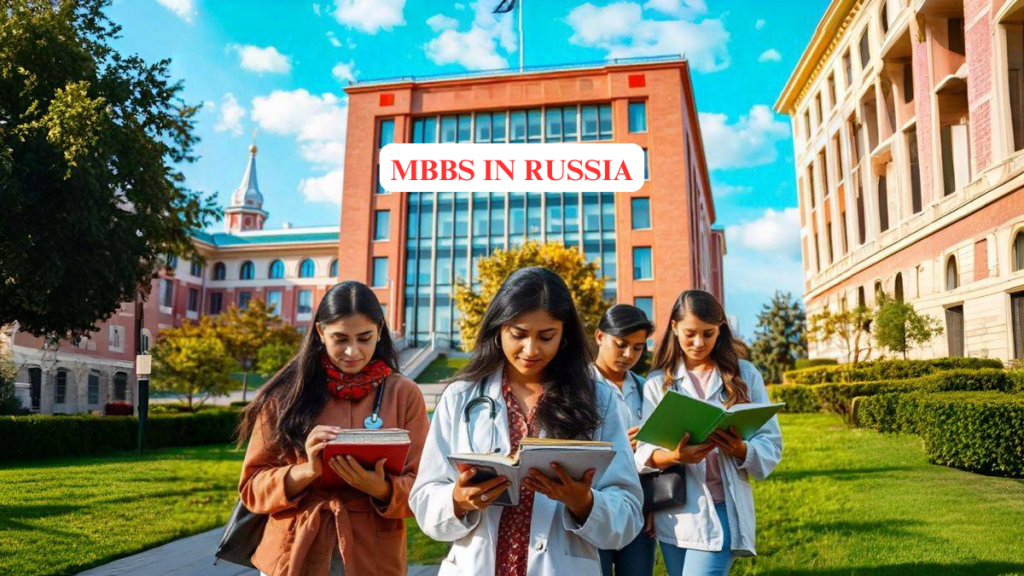
MBBS in Russia
Study MBBS in Russia 2026–2027
Studying MBBS in Russia for the 2026–2027 academic session is an excellent choice for Indian students who are looking for quality medical education at an affordable cost. Russia is known for its well-established universities, experienced faculty, and strong emphasis on both theoretical knowledge and practical clinical training. The MBBS program usually spans 6 years, including internship, and many universities offer English-medium courses for international students. With a simple admission process based on NEET qualification, reasonable tuition fees, and globally recognized degrees, Russia provides a reliable pathway for students to build a successful medical career with international exposure.
Advantages of Studying MBBS in Russia for Indian Students
Affordable Fee Structure
One of the major advantages of studying MBBS in Russia is its affordability. Tuition fees are considerably lower than private medical colleges in India, and the overall cost of living is also manageable for students.
Globally Recognized Universities
Russian medical universities are recognized by international bodies such as WHO and follow NMC guidelines. This allows Indian students to appear for licensing exams like FMGE/NExT, USMLE, and PLAB.
No Entrance Exams (Except NEET)
Admission to MBBS in Russia is straightforward, with no requirement for additional entrance exams like IELTS or TOEFL. NEET qualification is sufficient for Indian students.
English-Medium Education
Many universities offer MBBS programs in English for international students, ensuring easy understanding of medical subjects without language barriers in the initial years.
Strong Clinical Exposure
Students receive practical training in well-equipped hospitals with real patient interaction, helping them develop strong clinical skills and confidence.
Experienced Faculty & Infrastructure
Russian universities are known for their qualified professors, modern laboratories, and advanced teaching methods that enhance the learning experience.
Safe and Student-Friendly Environment
Russia provides a secure and supportive environment for international students, with a large Indian student community that helps in easy adaptation.
Wide Career Opportunities
After completing MBBS, students can pursue higher education or medical practice in India or abroad by clearing the required licensing exams.
Eligibility Criteria for Studying MBBS in Russia for Indian Students
Indian students who wish to pursue MBBS in Russia must fulfill specific academic and regulatory requirements set by both Russian medical universities and Indian authorities. Candidates should have completed their 10+2 (Higher Secondary Education) with Physics, Chemistry, and Biology (PCB) as main subjects, securing a minimum of 50% marks in PCB for general category students (40% for reserved categories as per guidelines). This ensures that students have the necessary foundation in science to handle medical studies.
Qualifying the NEET (National Eligibility cum Entrance Test) is mandatory for Indian students. It is not only required for admission to Russian universities but also essential for students who plan to practice medicine in India after completing their degree. Applicants must be at least 17 years old on or before 31st December of the admission year and should possess a valid passport along with all required academic documents. Most universities offer MBBS programs in English medium, so IELTS or TOEFL is generally not required, although students may be taught basic Russian during the course for effective communication with patients during clinical training.
In addition, students must be medically fit and may need to submit a medical fitness certificate and relevant health reports as part of the admission and visa process. Proper documentation, including mark sheets, NEET scorecard, passport, and photographs, must be submitted accurately. Meeting these eligibility criteria ensures a smooth admission process and allows students to begin their medical education in Russia without complications.
Medium of Teaching
The medium of teaching for MBBS in Russia is primarily available in English and Russian, with many universities offering English-medium programs specifically for international students, including those from India. In these programs, lectures, study materials, and examinations are conducted in English, making it easier for students to understand medical concepts without language barriers. However, students are also taught basic Russian during the course, which is important for communicating with patients during clinical training and hospital practice in later years. This combination of English-based education and local language training ensures both academic clarity and effective practical experience.
Life for MBBS students in Russia
Life for MBBS students in Russia is well-organized and centered around both academic excellence and personal development. Medical universities follow a structured schedule that includes lectures, practical sessions, and clinical training in affiliated hospitals, ensuring students gain strong theoretical knowledge along with hands-on experience. Faculty members are experienced and supportive, and students are regularly assessed through exams and practical evaluations, which helps maintain a consistent learning approach throughout the course.
Apart from academics, students in Russia enjoy a comfortable and manageable lifestyle. University hostels are generally safe, affordable, and equipped with basic facilities, while private accommodation is also available. Many cities have access to Indian food, and a large Indian student community makes it easier to adjust to a new environment. Although the climate can be quite cold, especially during winter, students adapt over time. Overall, life in Russia provides a disciplined, safe, and multicultural environment that supports both educational success and personal growth.
Top 10 Medical Colleges in Russia
Documents Required for MBBS in Russia
- 10th Mark Sheet & Certificate
- 12th Mark Sheet & Certificate (PCB subjects)
- 12th Mark Sheet & Certificate (PCB subjects)
- NEET Scorecard (mandatory for Indian students)
- Valid Passport (minimum 6 months validity)
- Passport-size Photographs
- Filled Application Form
- Admission / Offer Letter from University
- Invitation Letter
- Medical Fitness Certificate
- HIV Test Report (if required)
- Bank Statement (last 6 months)
- Proof of Funds
- Affidavit of Financial Support (if applicable)
- Student Visa Application Form
- Visa Fee Receipt
- Travel / Health Insurance
MBBS Fee Structure in Russia
| Name of the Universities | Tuition Fees / Year | Full Course |
| Volgograd State Medical University | Rs. 4,57,500 | Rs. 27,45,000 |
| Far Eastern Medical University | RUB. 3,90,200 | RUB. 23,40,000 |
| Bashkir State Medical University | RUB. 2,94,120 | RUB. 17,64,720 |
| Kazan Federal University | RUB. 4,50,000 | RUB. 27,00000 |
| St. Petersburg State Medical University | RUB. 3,46,500 | RUB. 20,79,000 |
| Kazan State Medical University | RUB. 4,16,000 | RUB. 24,96,000 |
| Peoples’ Friendship University | Rs. 7,12,500 | Rs. 42,75,000 |
MBBS Syllabus in Russia
1st Year – Basic Medical Foundation
- Anatomy
- Histology
- Medical Biology
- General Chemistry
- Latin Language
- Russian Language
2nd Year – Human Body Functions
- Physiology
- Biochemistry
- Microbiology (Basic)
- Psychology
3rd Year – Disease & Medicine Basics
- Pathology
- Pharmacology
- Microbiology (Advanced)
- Pathophysiology
4th Year – Introduction to Clinical Practice
- General Medicine
- General Surgery
- Pediatrics
- Obstetrics & Gynecology
- ENT (Ear, Nose, Throat)
- Ophthalmology
5th Year – Advanced Clinical Studies
- Internal Medicine
- Psychiatry
- Orthopedics
- Dermatology
- Emergency Medicine
6th Year – Internship & Practical Training
- Rotational Internship
- Medicine
- Surgery
- Pediatrics
- Obstetrics & Gynecology
FAQ for MBBS study in Russia
Yes, students are taught basic Russian language during the course to communicate with local patients during clinical practice.
Yes, many universities are recognized by global bodies like the World Health Organization and the National Medical Commission (NMC).
Russia has a very cold climate, especially in winter, but universities provide proper hostel facilities with heating systems.
Yes, students receive clinical training in affiliated hospitals, and some may explore internship options as per university guidelines.